Staff Augmentation vs Hiring: The DevOps Engineer Shortage in the UAE
Comparing DevOps staff augmentation versus direct hiring in the UAE - costs, timelines, risks, and when each approach makes sense for UAE engineering teams.
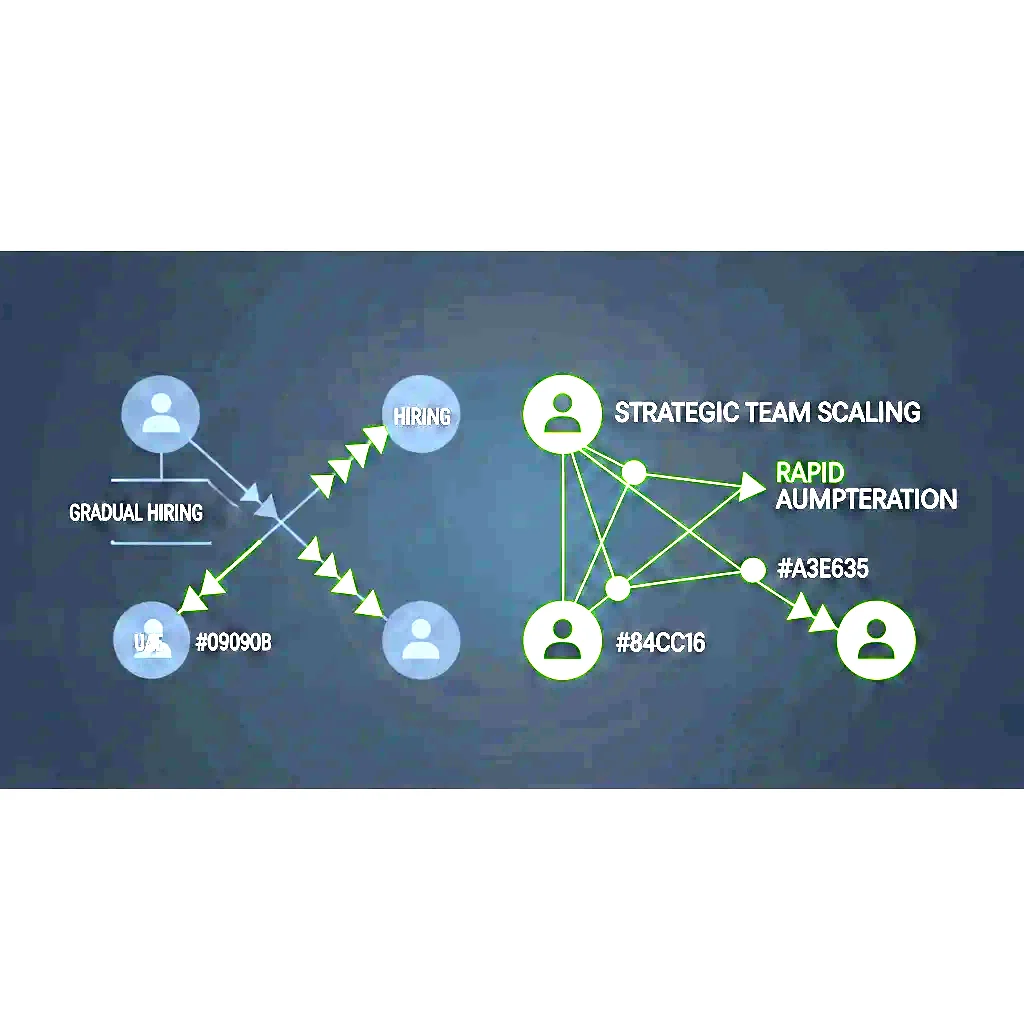
The DevOps engineer shortage in the UAE is not a temporary hiring market condition - it’s a structural gap that will define how UAE engineering teams staff their DevOps function for the next several years. Understanding your options, and when each makes sense, is a strategic decision that affects your team’s delivery velocity, cost structure, and operational risk. Hiring for a team based specifically in Dubai? See our dedicated Dubai DevOps team.
The UAE DevOps Hiring Reality
Let’s start with the numbers. Hiring a senior DevOps engineer in the UAE in 2025:
Salary range: AED 35,000-55,000 per month for 5+ years experience with Kubernetes, CI/CD, and cloud infrastructure depth.
Benefits and overhead: UAE employer costs (health insurance, visa sponsorship, DEWS/gratuity accrual, desk/equipment) typically add 20-25% to salary. Fully loaded cost: AED 42,000-68,000/month, or AED 500,000-820,000/year.
Time to hire: Average 97 days from job posting to accepted offer for a senior DevOps role in UAE (LinkedIn Talent Insights, 2024). Add 30-90 days notice period from current employer. Practical timeline to having someone productive: 4-8 months.
Recruitment cost: Using a recruiter (standard in UAE for technical roles), expect 15-20% of first-year salary - AED 75,000-140,000. Using job boards plus internal sourcing, reduce this but extend timeline.
Attrition risk: Average tenure for DevOps engineers in UAE is 18-24 months. When a DevOps engineer leaves, they take 12+ months of institutional knowledge with them - and the hiring cycle starts again.
What Staff Augmentation Actually Costs
DevOps staff augmentation pricing varies by seniority and engagement length:
- Senior DevOps engineer (5-8 years): AED 22,000-32,000/month
- Staff-level platform engineer (8+ years): AED 32,000-45,000/month
- Specialist (AI DevOps, SRE): AED 35,000-50,000/month
No recruitment fee. No visa cost. No benefits overhead. Week-to-week flexibility (with minimum 30-day notice for planned ends). The engineer is productive from week one - they’ve been vetted and are doing this full-time, not adjusting from a different stack.
Comparison for a 12-month engagement:
- Hiring: AED 500,000-820,000 fully loaded + AED 100,000 recruitment cost = AED 600,000-920,000
- Augmentation: AED 264,000-540,000 for 12 months (no overhead, no recruitment)
The augmentation premium - paying above market salary rate - is offset by zero overhead, zero recruitment cost, and zero ramp time.
When to Hire vs. Augment
Hire when:
- You need a DevOps function lead who will define and own your engineering culture long-term (10+ years of company-building)
- You have a high enough volume of DevOps work that a single engineer will be fully utilised indefinitely
- You want to build company-specific knowledge and institutional memory that justifies the tenure risk
- You’re post-Series B with stable headcount and a defined DevOps function
Augment when:
- You need capacity now and can’t wait 4-6 months
- You have a fixed-scope project (build the platform, migrate to GitOps, implement SRE) with a defined end state
- Your DevOps needs are variable - high during a migration, lower during steady-state operations
- You’re pre-Series A or Series A and want to defer permanent headcount until you have revenue certainty
- Your existing hire left and you need to bridge the gap while recruiting
The most common pattern we see: use augmentation to bridge while recruiting. Start an augmented engineer in week one. Use the 4-6 month hiring window to run a proper recruitment process without delivery pressure. At the end, either hire the augmented engineer (if you want) or transition smoothly.
The Knowledge Transfer Advantage
One underrated advantage of staff augmentation over direct hiring: structured knowledge transfer is built into every engagement.
When you hire a full-time DevOps engineer, knowledge transfer happens informally and incompletely - documentation is written when there’s time (rarely), and when the engineer leaves, large amounts of institutional knowledge leave with them.
With augmentation, every engagement includes explicit documentation, runbook writing, and knowledge transfer sessions as deliverables. When the engagement ends, your internal team is left with a well-documented platform and the skills to maintain it - not a black box that only one person understands.
Getting Started
devopsuae.com provides DevOps staff augmentation for UAE engineering teams - senior and staff-level engineers, matched to your stack and needs, onboarded within one week.
Contact us to discuss your DevOps capacity needs. We can profile your requirements and introduce a matched engineer within 48 hours.
Frequently Asked Questions
How much does it cost to hire a senior DevOps engineer in Dubai?
A senior DevOps engineer in Dubai (5+ years, Kubernetes and cloud depth) commands AED 35,000-55,000/month in salary. Adding UAE employer costs (health insurance, visa, DEWS gratuity accrual, equipment) raises the fully loaded cost to AED 42,000-68,000/month, or AED 500,000-820,000 per year - plus AED 75,000-140,000 in recruiter fees.
How quickly can a staff augmentation engineer start compared to a direct hire?
An augmented engineer can be onboarded and productive within one week, versus a 4-8 month timeline for a direct hire (97-day average time-to-fill plus a 30-90 day notice period from the engineer's current employer). For teams with active delivery pressure, augmentation eliminates the most painful constraint.
When does it make more sense to hire permanently rather than augment?
Hire permanently when you need a long-term DevOps function lead who will shape engineering culture over 10+ years, when DevOps work will be continuous and fully utilise one engineer indefinitely, or when you are post-Series B with stable headcount and a clearly defined DevOps function. For project-scoped, variable, or bridge-gap needs, augmentation is the better fit.
What happens to institutional knowledge when an augmentation engagement ends?
Unlike full-time hires where knowledge transfer is informal and often incomplete, structured documentation, runbooks, and knowledge transfer sessions are explicit deliverables in an augmentation engagement. When the engagement ends, your internal team has a well-documented platform and the skills to maintain it - rather than a system only one person understands.
Is staff augmentation suitable for a startup that hasn't yet reached Series A?
Yes - augmentation is particularly well-suited for pre-Series A and Series A companies that need DevOps capacity immediately but want to defer permanent headcount until revenue is more certain. The week-one productivity, lower total cost, and flexible engagement length make it the standard choice for early-stage UAE engineering teams.
Complementary NomadX Services
Related Comparisons
Get Started for Free
Schedule a free consultation. 30-minute call, actionable results in days.
Talk to an Expert