DevOps in UAE 2025: Why Local Companies Are Outsourcing Platform Engineering
Why UAE engineering teams are choosing DevOps outsourcing and staff augmentation over hiring - the talent shortage, cost dynamics, and how platform engineering engagement works.
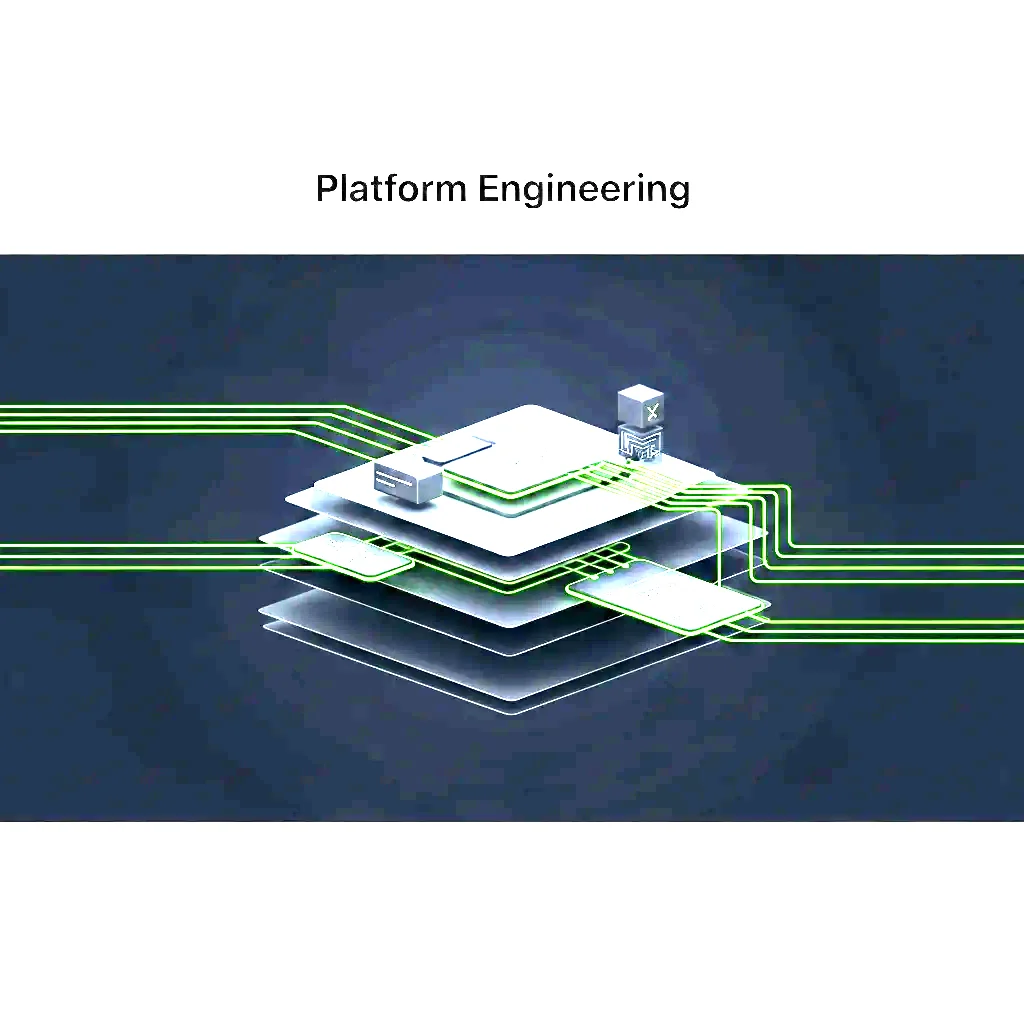
The DevOps talent shortage in UAE is real, well-documented, and getting worse. Senior DevOps engineers and platform engineers in Dubai command AED 35,000-60,000 per month - and still take 3-6 months to hire. The combination of UAE’s technology sector growth, the global competition for cloud-native talent, and the limited local supply of engineers with 5+ years of Kubernetes and CI/CD experience is creating a structural gap that’s slowing engineering teams across the GCC.
The Numbers Behind the Shortage
According to LinkedIn Talent Insights data for the UAE, DevOps Engineer is consistently in the top 10 hardest-to-fill technical roles in Dubai, alongside Data Scientists and ML Engineers. Median time-to-fill for a senior DevOps role in UAE is 97 days - compared to 62 days for a senior software engineer. For platform engineers specifically (a more specialised role focused on internal developer platforms and developer experience), the median is over 120 days.
The cause is structural: UAE’s technology sector has grown faster than its talent pipeline. The country’s Vision 2031 digital economy ambitions, the flood of global startups setting up regional headquarters in DIFC and Hub71, and the acceleration of fintech and healthtech activity post-COVID have created demand that the local engineering talent pool cannot satisfy at pace.
What Platform Engineering Outsourcing Actually Looks Like
Platform engineering outsourcing is not the same as traditional IT outsourcing (a managed service with SLAs and ticketing systems). Modern platform engineering engagements work differently:
Embedded, not offshore. The platform engineer works as a full member of your engineering team - in your standups, your Slack channels, your code reviews. They’re a domain expert in DevOps and infrastructure, embedded in a product team. The difference from offshore is timezone alignment, communication style, and integration depth.
Outcome-focused, not time-filling. A platform engineering engagement has a defined objective: build the golden path, migrate to GitOps, implement the observability stack. Progress is measured against that objective, not against hours billed.
Knowledge transfer built in. The goal is not dependency - it’s uplift. At the end of an engagement, your internal engineers understand the platform better than before the engagement started. Runbooks, documentation, and knowledge transfer sessions are standard deliverables.
The Build vs. Augment Decision
For most UAE engineering teams at Series A through Series C, the decision is between:
Option A: Hire a full-time senior DevOps engineer. Cost: AED 40,000-55,000/month (salary) + AED 8,000-12,000 (benefits, visa, overhead) = AED 48,000-67,000/month fully loaded. Timeline: 3-6 months to hire + 1-2 months onboarding ramp = 4-8 months before full productivity. Risk: single point of failure, attrition risk, skills depth limited to one person.
Option B: DevOps staff augmentation. Cost: AED 25,000-45,000/month depending on seniority and engagement scope. Timeline: 1 week to onboarded engineer. Risk: lower attrition risk (backed by agency), access to broader team expertise, flexibility to scale up or down.
For a fixed-scope platform project (build the internal developer platform, migrate to GitOps, implement SRE), augmentation is almost always the better economic choice. For long-term operational DevOps capacity, the decision is more nuanced - and often the right answer is to use augmentation to bridge the hiring gap while recruiting the permanent engineer.
What Good Platform Engineering Delivers
The metric that matters most for platform engineering investment is developer productivity: specifically, how much time engineers spend on product work versus infrastructure overhead.
A baseline measurement we take in every engagement: what % of a developer’s week goes to infrastructure-related tasks (waiting for environments, managing deployment failures, dealing with flaky tests, writing infrastructure configuration). The UAE average across our engagements is 28%. Post-platform-engineering, it’s typically 8-12%.
For a 15-person engineering team at AED 35,000/month average salary, reducing infrastructure overhead from 28% to 10% frees up the equivalent of 2.7 full-time engineers - at zero incremental hiring cost.
Getting Started
A platform engineering engagement with devopsuae.com starts with a DevOps maturity assessment - a two-week structured review of your current delivery pipeline, tooling, and team workflow. The output is a prioritised list of improvements ranked by engineering time saved, with effort estimates for each.
Most teams start there, then engage us to execute the top 2-3 items. Book a free 30-minute discovery call to discuss your situation.
Frequently Asked Questions
How long does it take to hire a senior DevOps engineer in Dubai?
Median time-to-fill for a senior DevOps role in UAE is 97 days from job posting to accepted offer - compared to 62 days for a senior software engineer. For platform engineers the median exceeds 120 days. Combined with a 30-90 day notice period, practical time to a productive hire is 4-8 months.
Is DevOps staff augmentation cheaper than hiring a full-time engineer in UAE?
For most fixed-scope engagements, yes. Staff augmentation costs AED 25,000-45,000/month with no recruitment fee, visa cost, or benefits overhead, versus AED 48,000-67,000/month fully loaded for a direct hire. A 12-month augmentation engagement typically costs 30-40% less than the equivalent full-time hire including recruitment.
What does a platform engineering engagement actually deliver for my team?
The primary outcome is reduced infrastructure overhead for product engineers. The UAE average is 28% of engineering time lost to infrastructure tasks; post-engagement it drops to 8-12%. For a 15-person team at AED 35,000/month, that frees the equivalent of 2.7 full-time engineers - at zero additional hiring cost.
How is platform engineering outsourcing different from traditional IT outsourcing?
It is fundamentally different. Platform engineers are embedded in your team - in your standups, Slack channels, and code reviews - not working from an offshore ticketing queue. Engagements are outcome-focused (build the golden path, implement GitOps) with structured knowledge transfer, so your team is more capable when the engagement ends, not dependent on an ongoing contract.
Complementary NomadX Services
Get Started for Free
Schedule a free consultation. 30-minute call, actionable results in days.
Talk to an Expert